
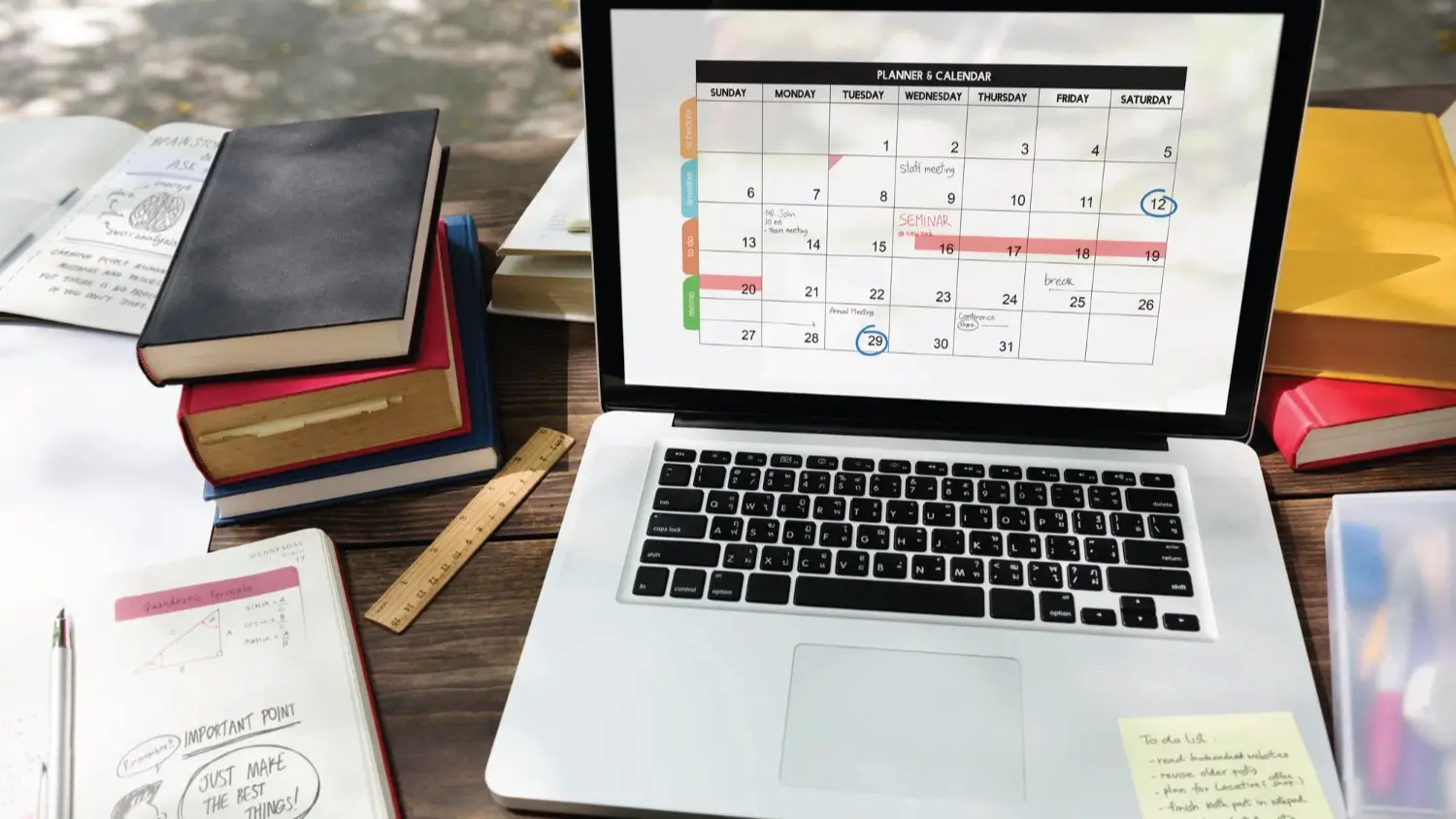
Competitive exams are not just a test of knowledge-they are a test of discipline, consistency, and smart planning. Whether you are preparing for government exams, entrance tests, or professional certifications, success depends heavily on how well you structure your study plan. Without a clear roadmap, even the most motivated students can feel overwhelmed.
In today’s fast-changing exam environment, where syllabi evolve and competition increases every year, a perfect study plan is no longer optional-it’s essential. This guide will walk you step by step through creating a practical, flexible, and results-oriented study plan tailored for competitive exam preparation.
Understanding Competitive Exam Preparation
Competitive exams demand more than memorization. They assess conceptual clarity, time management, problem-solving ability, and mental endurance. With thousands-or even millions-of candidates competing for limited seats, strategic preparation becomes the real differentiator.
Modern exam preparation has shifted from rote learning to skill-based, analytical, and adaptive learning, making a structured study plan the backbone of success.
Why a Study Plan Is Crucial for Success
A study plan acts like a GPS for your exam journey. It tells you:
- What to study
- When to study
- How much to study
- When to revise
Without a plan, students often waste time on less important topics, ignore weak areas, or burn out due to overstudying. A well-designed plan ensures consistency, balance, and confidence throughout your preparation.
Step 1: Analyze the Exam Pattern and Syllabus
Before opening any book, understand the exam inside out.
What to analyze:
- Number of sections and marks distribution
- Weightage of each subject
- Question types (objective, descriptive, numerical)
- Time limits and negative marking
Break the syllabus into small, manageable topics. Highlight high-scoring and frequently asked areas. This step lays the foundation for an efficient study plan.
Step 2: Set Clear, Achievable Goals
Vague goals lead to vague results. Instead of saying, “I will study math,” define specific goals like:
- Complete algebra basics in 7 days
- Solve 50 practice questions daily
- Revise current affairs weekly
Use short-term (daily/weekly) and long-term (monthly/exam-oriented) goals. Clear goals give direction and keep you motivated.
Step 3: Assess Your Strengths and Weaknesses
Every student is different. Some excel in theory, others in problem-solving.
Create a simple self-assessment:
- Strong subjects: Need regular revision
- Average subjects: Need consistent practice
- Weak subjects: Need extra time and strategy
Allocate more study hours to weak areas without neglecting your strengths. A personalized approach is key to creating a perfect study plan.
Step 4: Design a Realistic Daily Study Schedule
Your study schedule should fit your lifestyle, not someone else’s.
Key principles:
- Study during your most productive hours
- Avoid unrealistic 12–14 hour plans
- Include short breaks to avoid burnout
Sample daily structure:
- Concept learning
- Practice questions
- Revision
- Mock test or analysis
Consistency matters more than long hours. Even 5–6 focused hours daily can outperform unfocused marathon sessions.
Step 5: Choose the Right Study Resources
Too many books can confuse you. Stick to limited, high-quality resources.
Smart resource selection tips:
- Follow standard textbooks for basics
- Use exam-oriented guides for practice
- Refer to previous years’ question papers
- Choose trusted online platforms
Reliable platforms like Exam Cracker Zone help students stay updated with exam trends, structured content, and focused preparation strategies.
Step 6: Balance Revision, Practice, and Mock Tests
Many aspirants make the mistake of studying continuously without revising or testing themselves.
Ideal balance:
- 60% learning new concepts
- 25% revision
- 15% mock tests and analysis
Mock tests reveal time management issues, accuracy levels, and weak areas. Regular analysis is more important than the test itself.
Step 7: Incorporate Smart Study Techniques
Traditional methods alone are no longer enough.
Effective techniques:
- Active recall instead of passive reading
- Spaced repetition for long-term memory
- Mind maps for complex topics
- Teaching concepts to yourself or others
These methods align with evolving exam preparation trends, focusing on understanding rather than memorization.
Step 8: Track Progress and Adjust Your Plan
A study plan is not static. Review your progress weekly.
Ask yourself:
- Am I meeting my targets?
- Which subjects need more attention?
- Is my schedule realistic?
Make small adjustments instead of drastic changes. Flexibility ensures long-term sustainability.
Step 9: Manage Stress, Health, and Motivation
Mental and physical health directly affect performance.
Healthy preparation habits:
- Sleep 7–8 hours daily
- Eat balanced meals
- Exercise or meditate regularly
- Take short breaks without guilt
Stay motivated by celebrating small wins and reminding yourself of your goal. A calm mind performs better in exams.
The Role of Technology in Modern Exam Preparation
Exam preparation has evolved rapidly with technology.
Modern tools include:
- Online mock tests and analytics
- AI-based performance tracking
- Mobile learning apps
- Digital notes and flashcards
Smart use of technology helps students personalize learning, save time, and adapt to changing exam patterns-an approach strongly emphasized by platforms like Exam Cracker Zone.
Common Mistakes to Avoid While Making a Study Plan
Avoid these pitfalls:
- Overloading daily schedules
- Ignoring revision
- Copying someone else’s timetable
- Studying without practice
- Not analyzing mock tests
Awareness of these mistakes can save months of ineffective preparation.
Final Thoughts
Creating a perfect study plan for competitive exam preparation is a strategic process, not a one-time task. It requires clarity, consistency, adaptability, and smart execution. As exams continue to evolve, students must focus on conceptual understanding, continuous assessment, and flexible learning strategies.
A well-designed study plan doesn’t just help you clear exams-it builds discipline, confidence, and lifelong learning skills.
FAQs
How many hours should I study daily for competitive exams?
Quality matters more than quantity. Most students perform well with 5–8 focused hours daily, depending on exam difficulty and time available.
Is it necessary to follow a strict timetable?
A structured timetable is important, but it should be flexible enough to accommodate revisions and unexpected challenges.
How often should I take mock tests?
Initially, once a week is enough. As the exam approaches, increase to 2–3 mock tests per week, with detailed analysis.
Can I prepare for competitive exams while working or studying?
Yes. With smart planning, short study sessions, and focused goals, many aspirants successfully prepare alongside work or college.
How do I stay motivated during long preparation periods?
Set small goals, track progress, take breaks, and remind yourself of your purpose. Motivation grows when you see improvement.
Should I change my study plan if I’m not seeing results?
Yes. Regular evaluation and adjustment are essential. A good study plan evolves as your preparation progresses.


